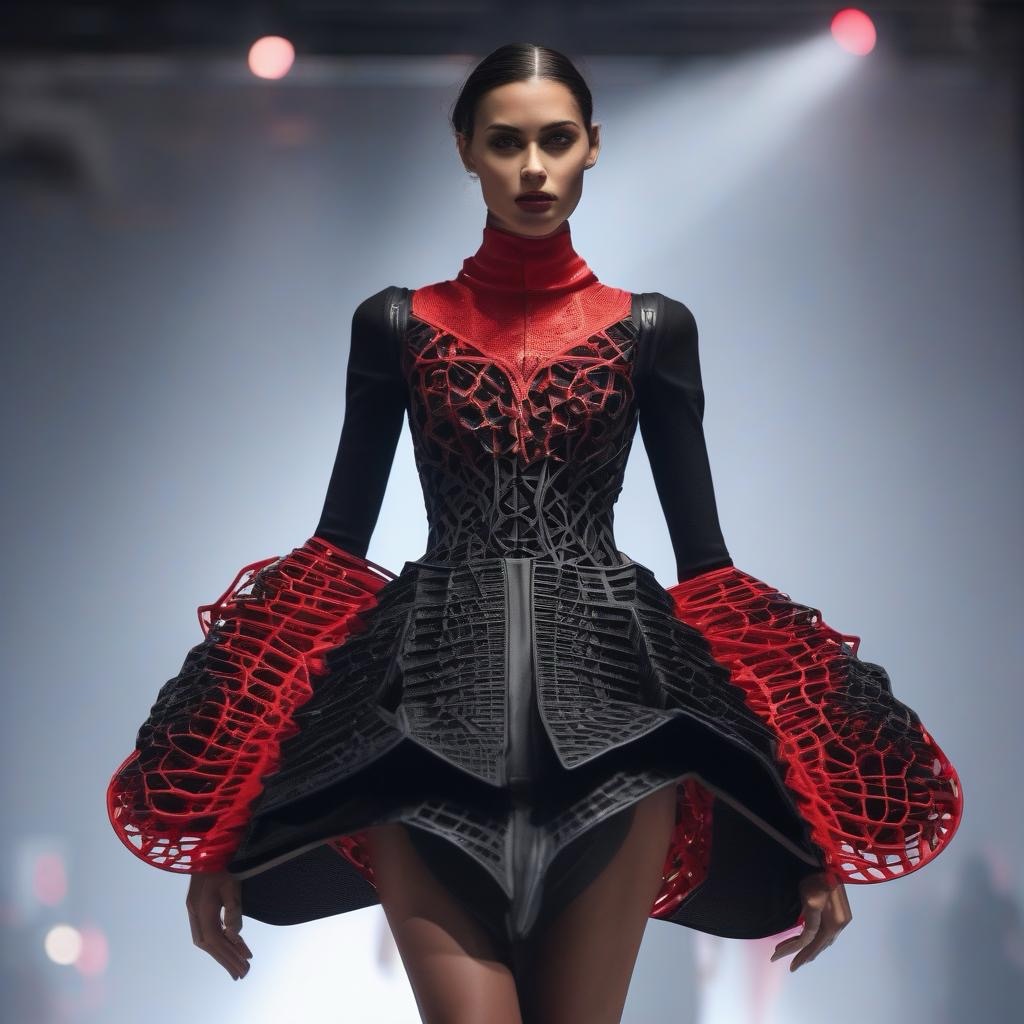
Stepping into the realm of 3D printing opens up a gateway to unparalleled creativity, pushing the boundaries of fashion innovation. The allure of 3D Fashion has been steadily rising, attracting attention for its seamless blend of simplicity and intricate designs that often exude a futuristic appeal.
Let’s delve into the realm of materials utilized in crafting 3D printed fashion pieces.
Thermoplastic polyurethane emerges as a frontrunner, boasting flexibility and a rubber-like texture ideal for crafting resilient shoe soles. However, pairing it with a breathable material like cotton would elevate its comfort level while maintaining durability.
Polylactic Acid, commonly employed in 3D printing, stands out for its diverse color palette and eco-friendly nature, making it a favored choice for creators. Yet, its plastic composition raises concerns, particularly if worn directly against the skin, urging caution in its application for wearables.
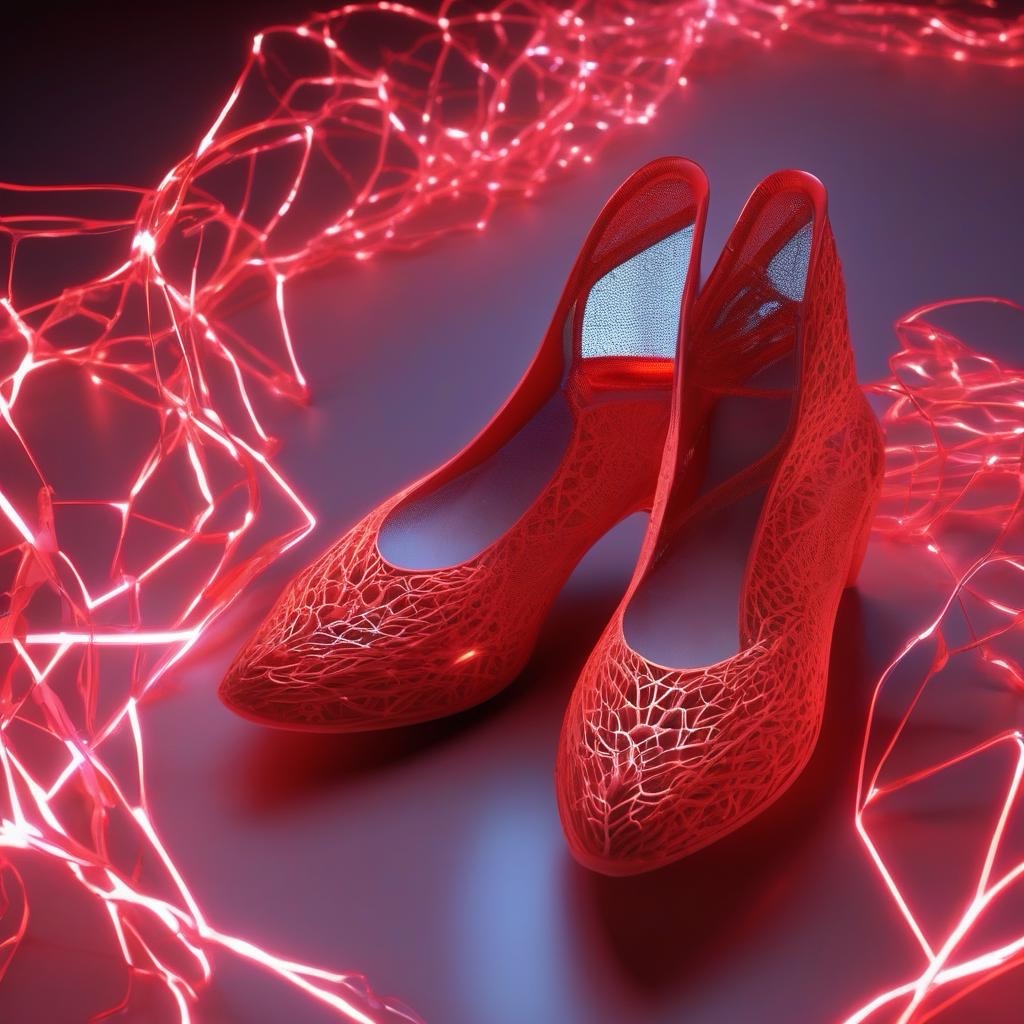
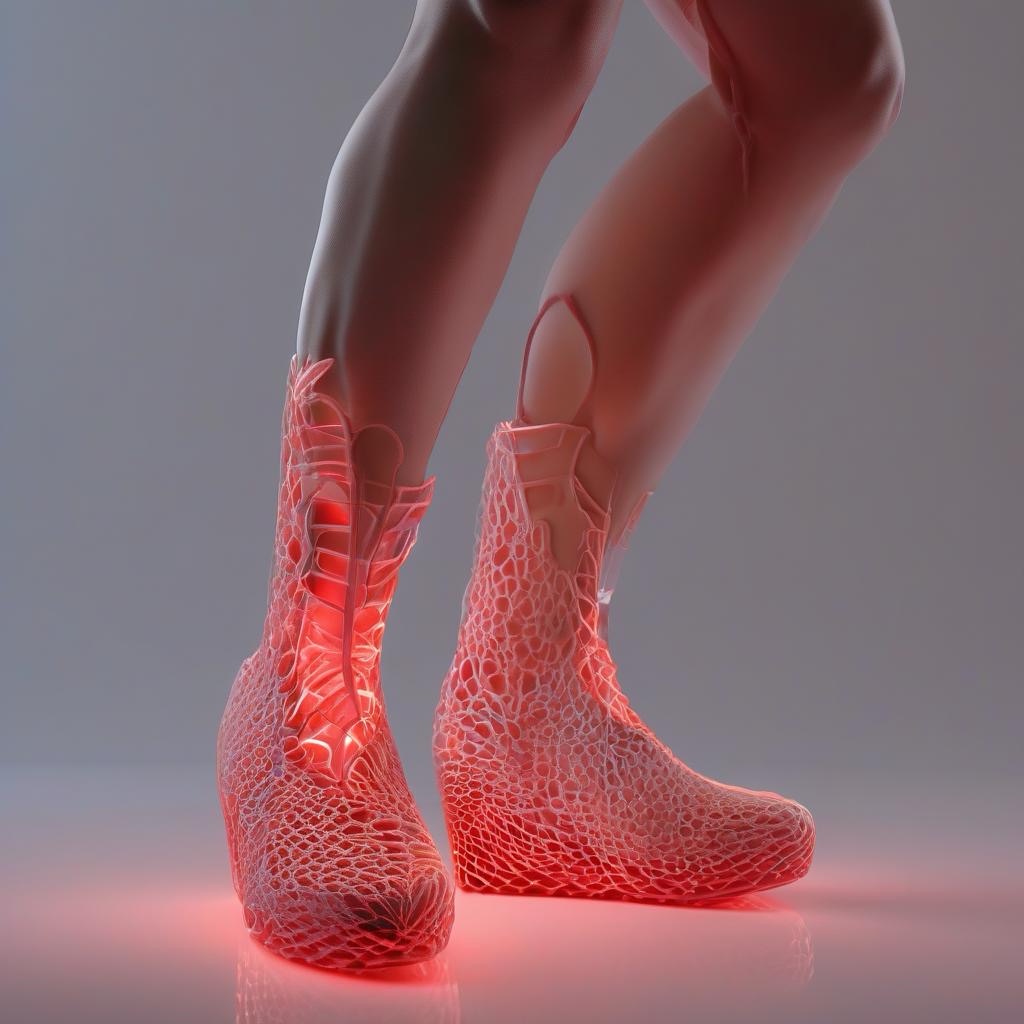
Acrylonitrile Butadiene Styrene, another thermoplastic polymer, renowned for its robustness, might not be skin-friendly, prompting a need for thoughtful design considerations to ensure wearer comfort and safety.
Nylon, a hardy synthetic polymer, offers durability, albeit with potential skin sensitivity issues, warranting judicious material selection based on individual preferences and needs.
Embracing composite filament in the printing process supplements versatility, while stainless steel’s corrosion resistance lends durability to intricate designs. Delicate pieces find solace in resin, although its limited color range might deter widespread adoption.

While the concept of 3D Printed Fashion holds promise, it shines brightest as an embellishment to garments crafted from superior, skin-friendly materials. Imagine creating a show-stopping Iron Man or Mandalorian ensemble for a themed event, where 3D accents elevate the overall aesthetic.
For runway extravaganzas craving a touch of Sci-Fi allure or fantasy-inspired details, integrating 3D elements into couture pieces can amplify the visual impact. From lifelike avian accessories to intricate lace trimmings, the possibilities are endless when blending traditional craftsmanship with futuristic technologies.
Accessories like choker necklaces, hats, bracelets, and handbags thrive under 3D printing’s precision, adding a contemporary edge to ensembles. However, safeguarding comfort remains paramount, especially when it comes to footwear, where prioritizing breathable, skin-friendly materials reigns supreme to ensure optimal foot health.

In conclusion, while 3D printing injects fresh dynamism into the fashion landscape, its true potential lies in complementing, rather than overshadowing, traditional garment construction techniques. By harmonizing innovation with wearability, designers can craft captivating creations that bridge the gap between imagination and practicality in the ever-evolving world of fashion.
 DreamThreads
Response to “The Enigmatic Charm of 3D Printed Couture: Exploring the Upsides and Downsides”
This is a great article! I didn’t know this was a thing in the fashion industry
LikeLike